Kampong Glam (or Kampong Gelam), also known as the Malay-Muslim quarter, is one of our visitors’ favourite neighbourhoods in Singapore. Along the main street leading to the mosque, there are plenty of Turkish and Middle Eastern restaurants, as well as souvenir shops.
It is also the place to discover artisanal perfume shops, where you can create your own personalised scent.
If you’d like to learn more about the area´s history, when it was the royal quarter of the Malay sultans, I recommend this walking tour from Indie Singapore tours.
Alternatively, if you prefer to explore Kampong Glam on your own, you can use this map, which features two suggested walking routes.
Note: the Malay Heritage Centre Centre is currently closed for renovation works and is expected to reopen in 2026.
Take the Downtown Line (blue line in the MRT) to Bugis station and look for Exit E. From there, it’s a 10-minute walk to Kampong Glam
On the way, be sure to stop and admire the striking Parkview Square building (more on this below). Then, stroll through the neighbourhood’s colourful streets, where you’ll find plenty of shops selling tapestries, fabrics, and lanterns.
Parkview Square Building
Parkview Square, known as Singapore’s “Batman building” thanks to its resemblance to Gotham City, is a stunning Art Deco landmark, and one of the most beautiful buildings in the city.
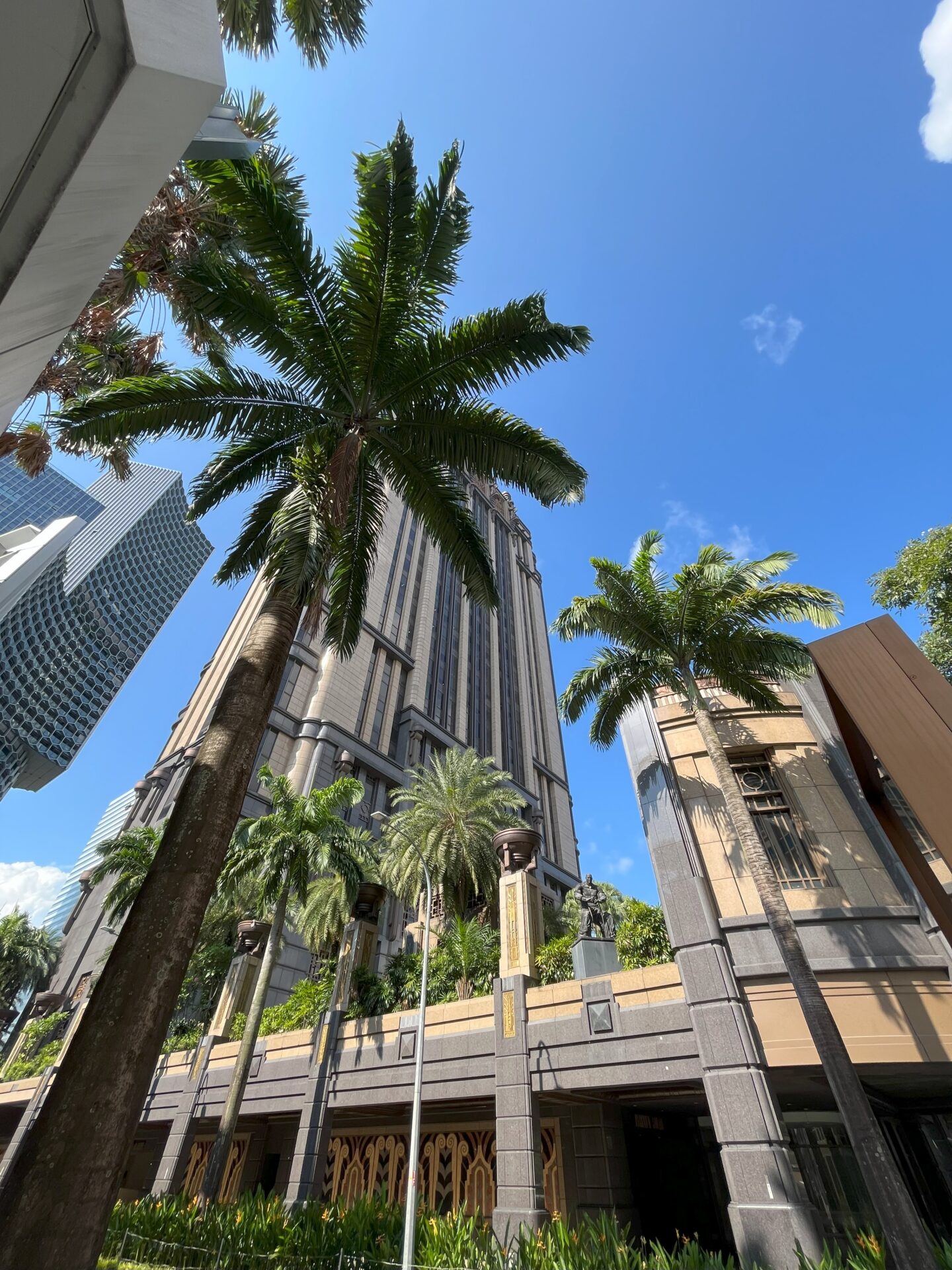
Photo 1: Parkview Square building
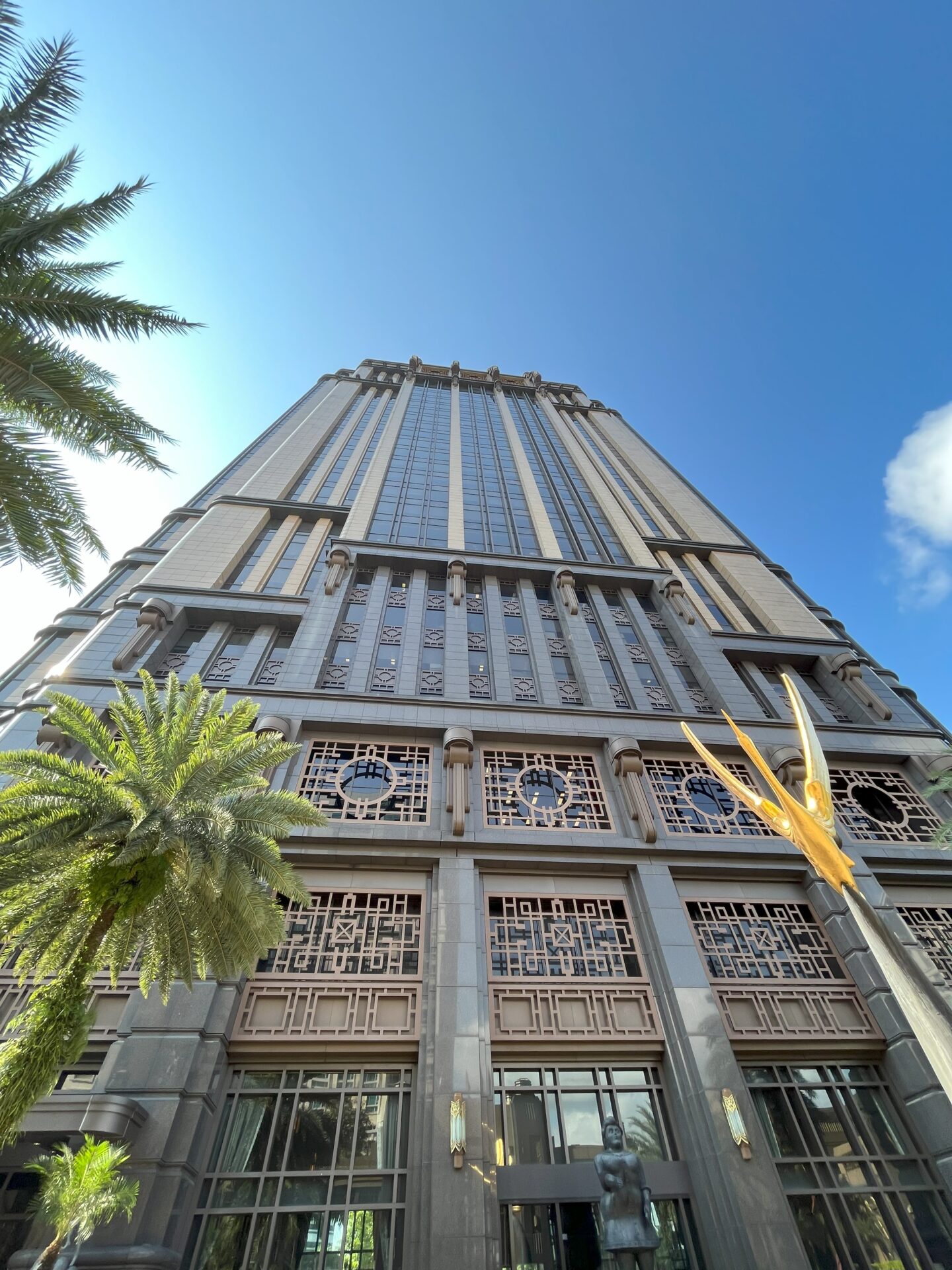
Photo 2: Parkview Square and golden phoenix in front of the main entrance
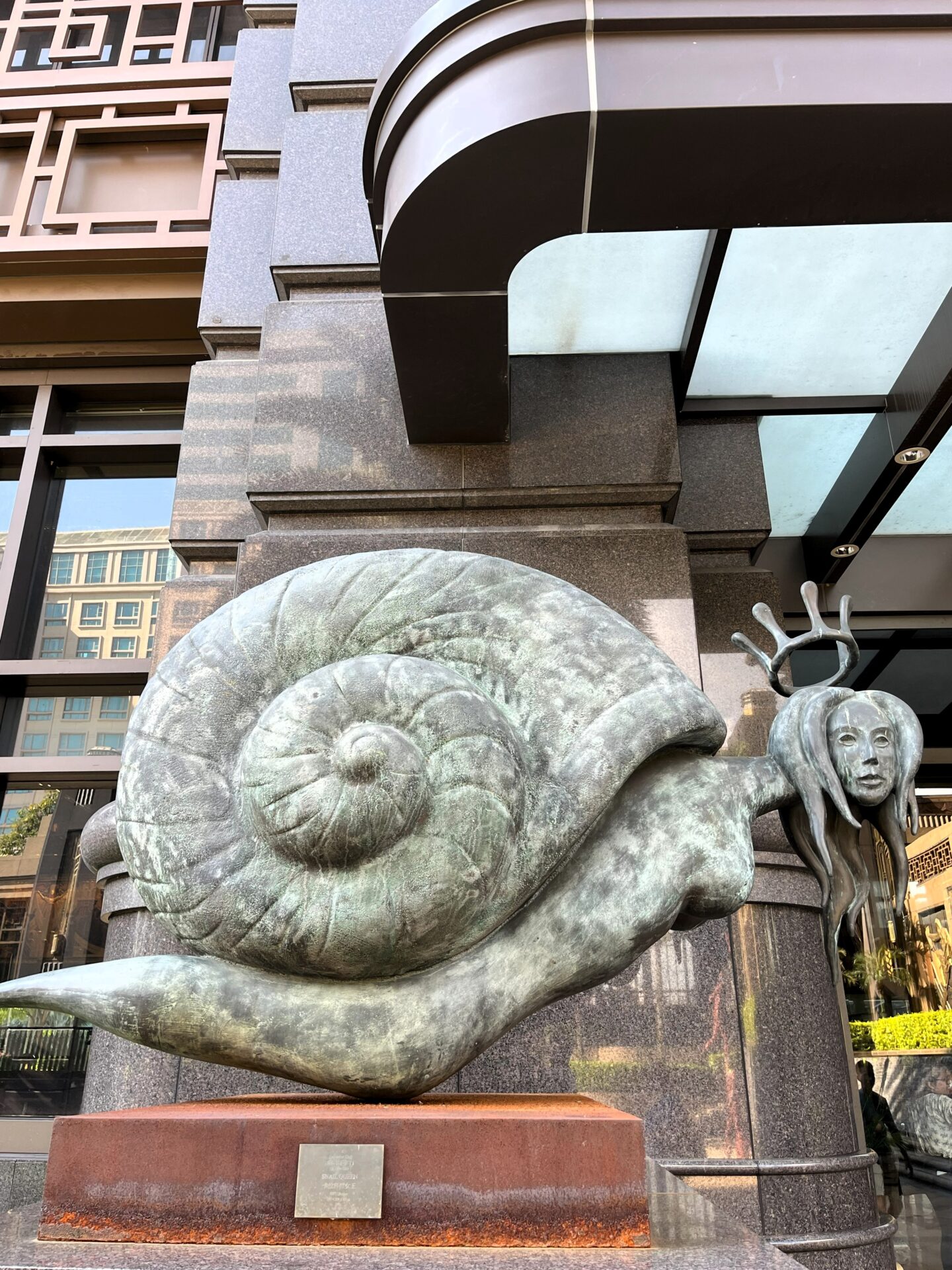
Photo 3: Snail Queen by Salvador Dalí
While it once housed a public museum, today it is home to offices, embassies and exhibition spaces.
However, the real star here is the Atlas bar on the ground floor. Considered by many to be the most beautiful bar in Singapore, it boasts a its jaw-dropping wall of spirits stretching from floor to ceiling.
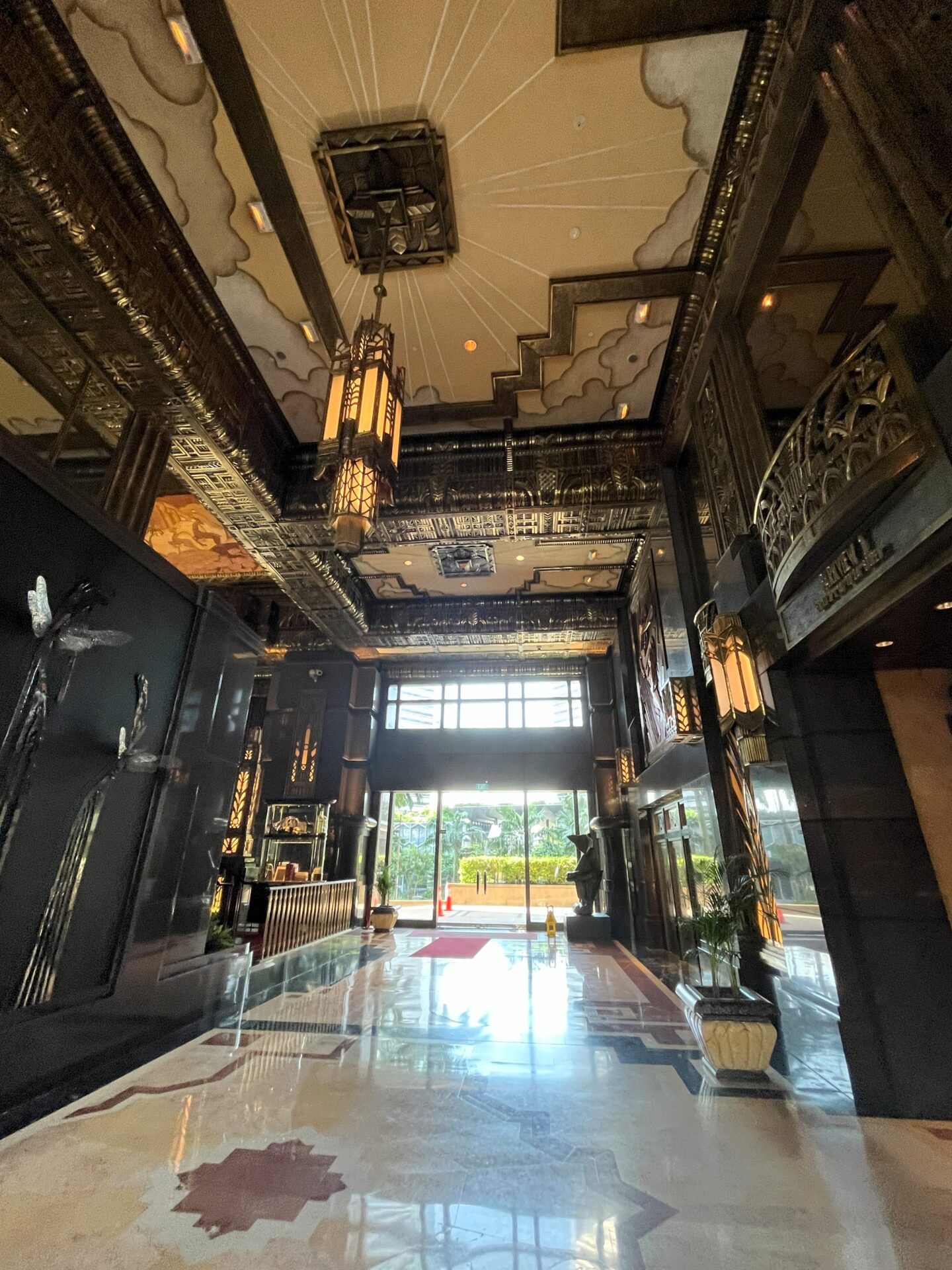
Photo 4: Parkview Square entrance
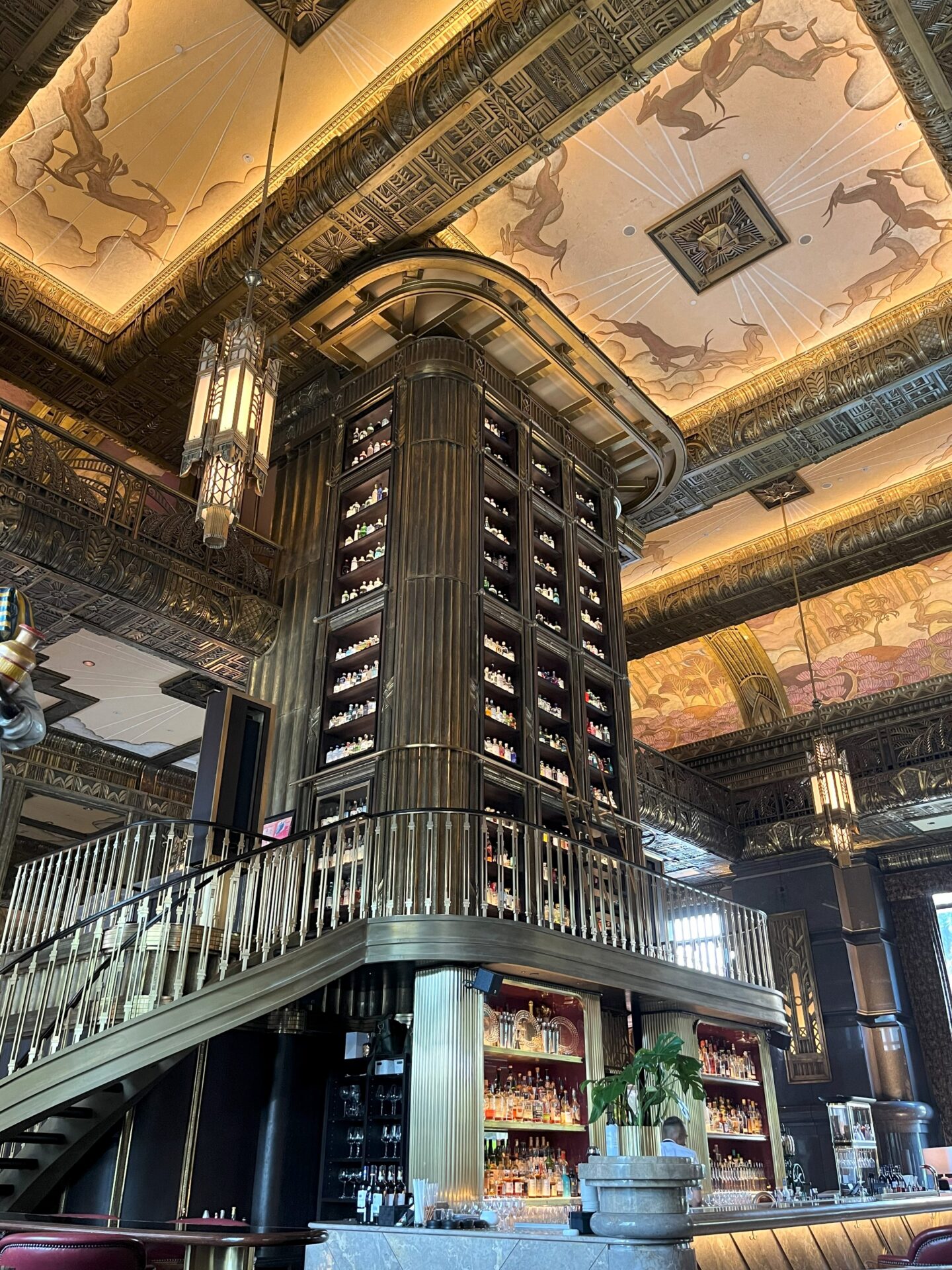
Photo 5: Wall of spirits at Atlas Bar
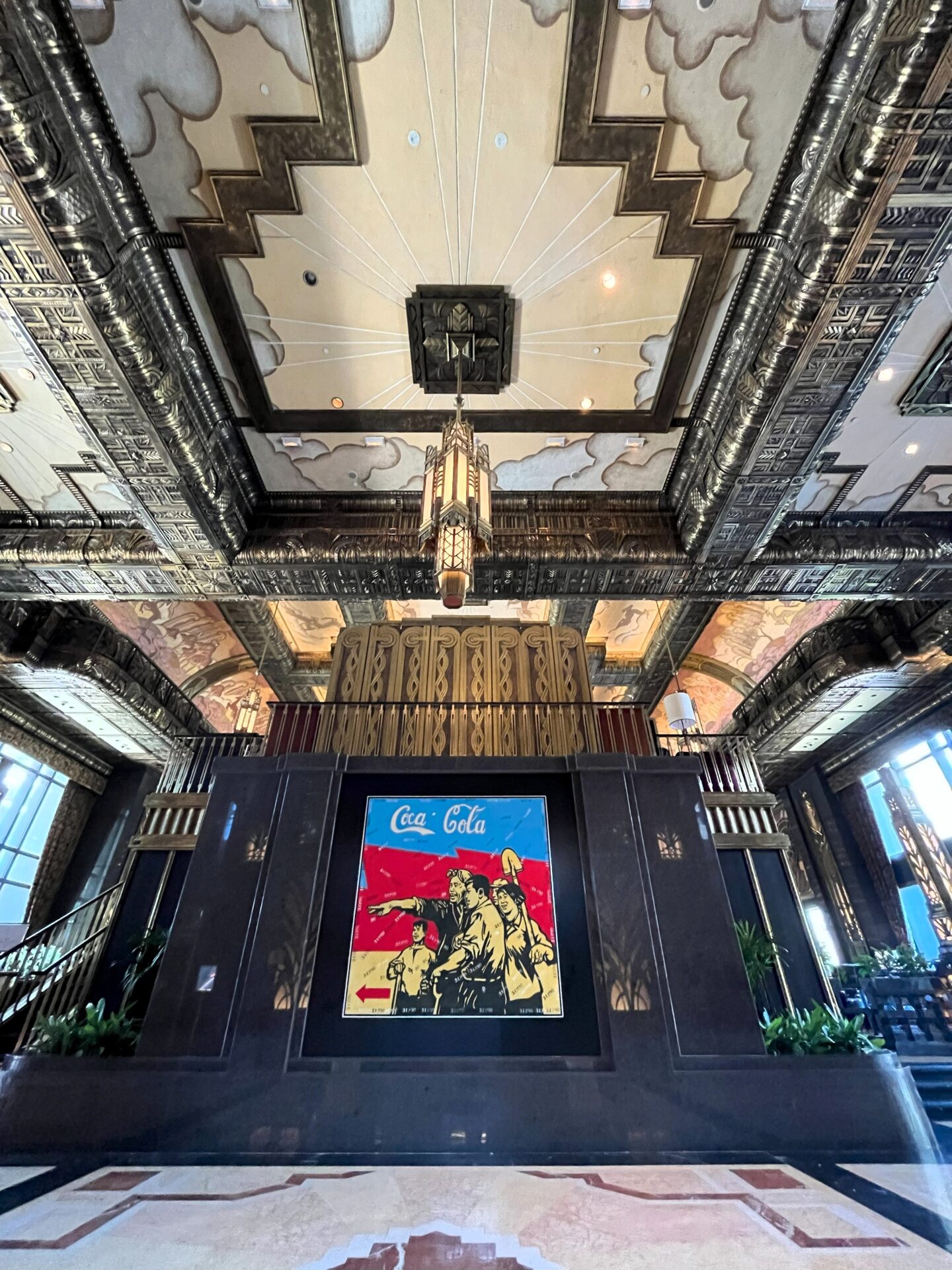
Photo 6: Parkview Square entrance
Although they take reservations, it is usually possible to walk in. On weekdays, you can even pop in for a quick look, and trust me, it’s worth it!
Even if you don’t get to go inside Atlas, the exterior of the building is an attraction in itself, with impressive sculptures such as a giant golden phoenix, as well as works by artists like Dalí and Botero.
Sultan Mosque
With its golden domes standing out on the skyline, the Sultan Mosque is one of Singapore’s most iconic landmarks. If you look closely at the base, and you’ll notice glass bottle ends. These were donated by poorer families during construction so that everyone could contribute in some way.
First built in 1824 by Singapore’s first sultan, Sultan Hussein Shah, the mosque remains a central place of worship and community life for the Muslim population today, especially the Malay community.
I must confess that I’ve never been inside, but if you’re interested, you can check the visiting hours here. At the entrance, robes are provided for those not dressed appropriately.
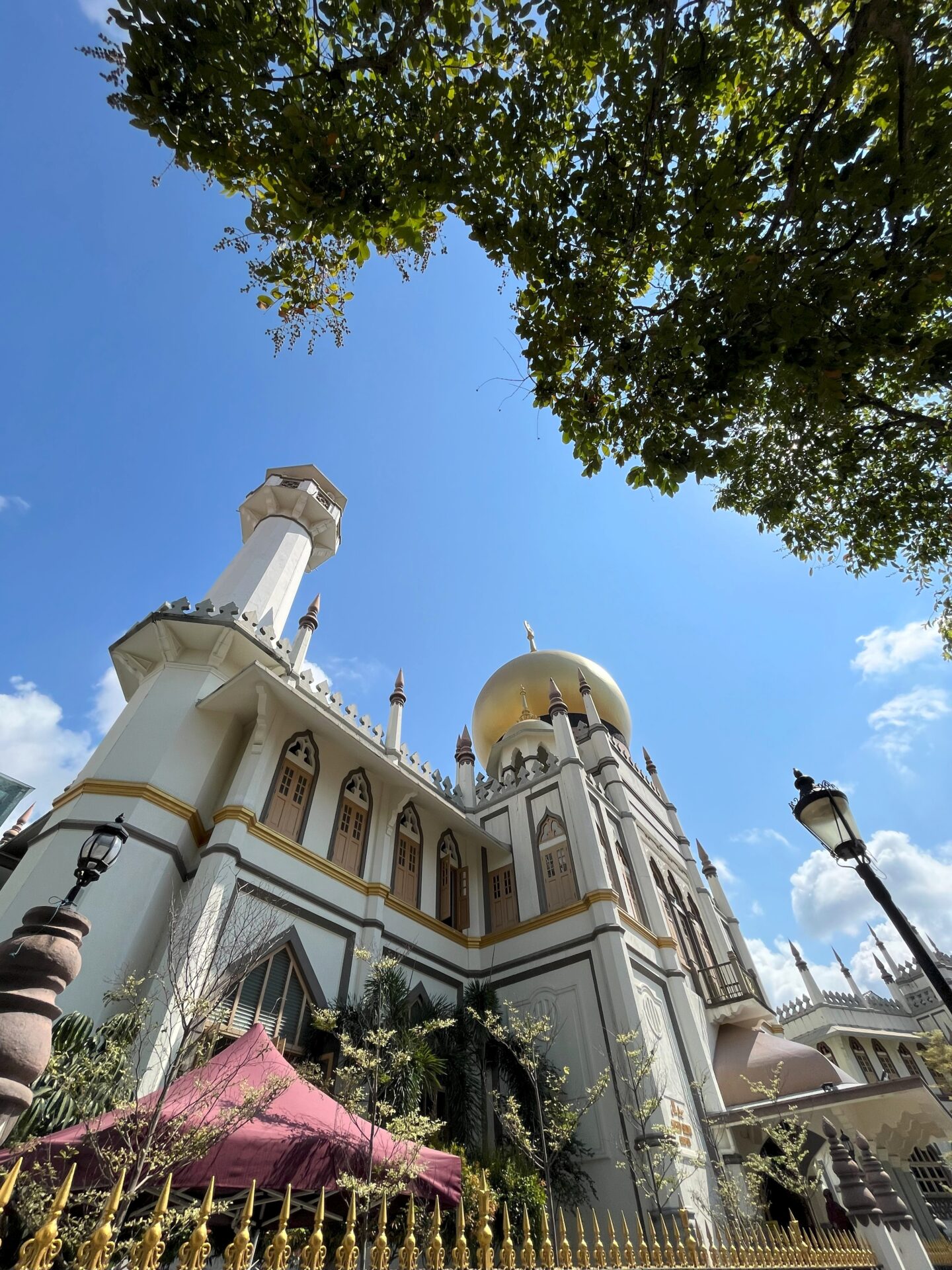
Photo 7: Sultan Mosque
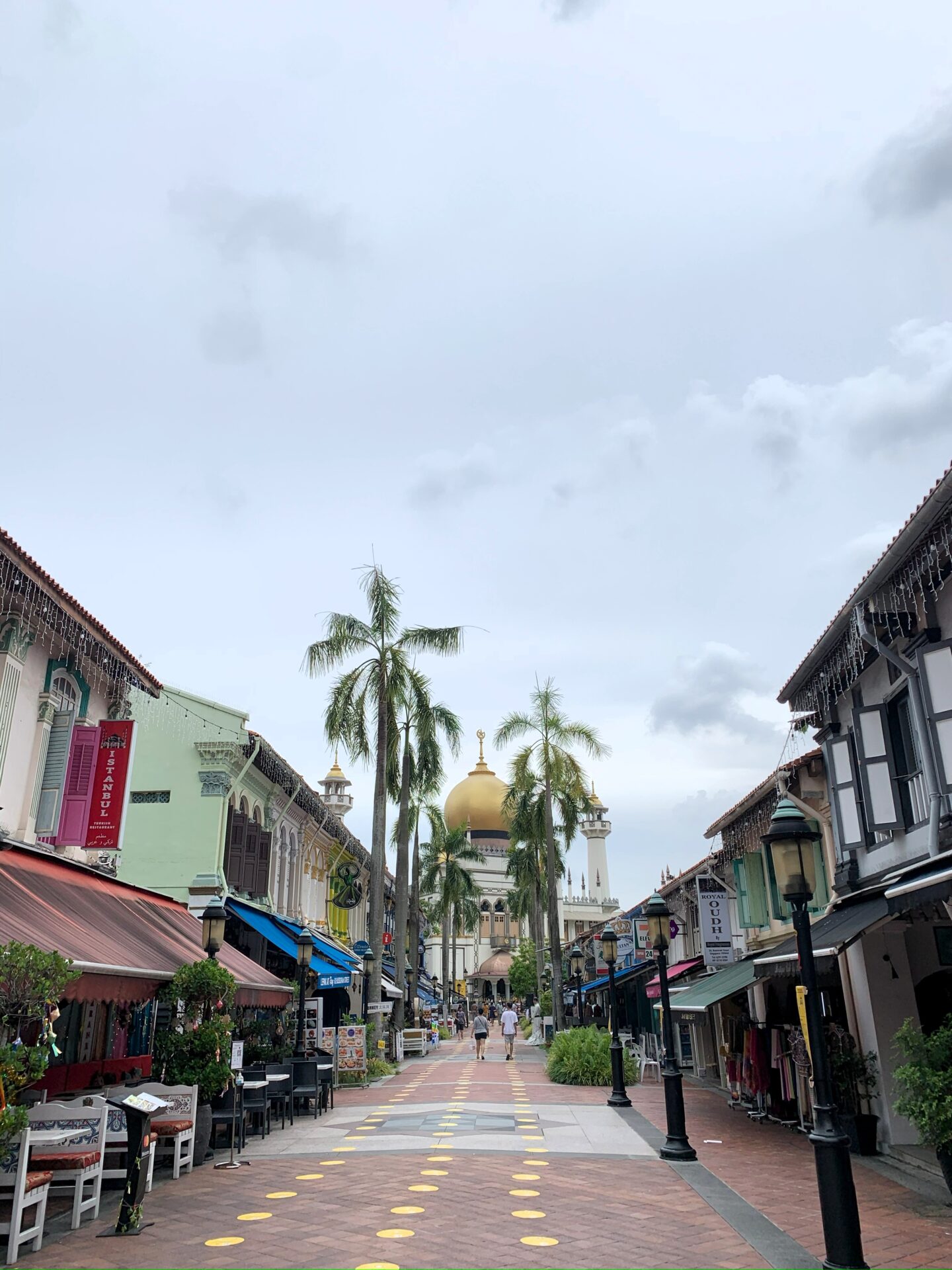
Photo 8: Sultan Mosque seen from Bussorah Street
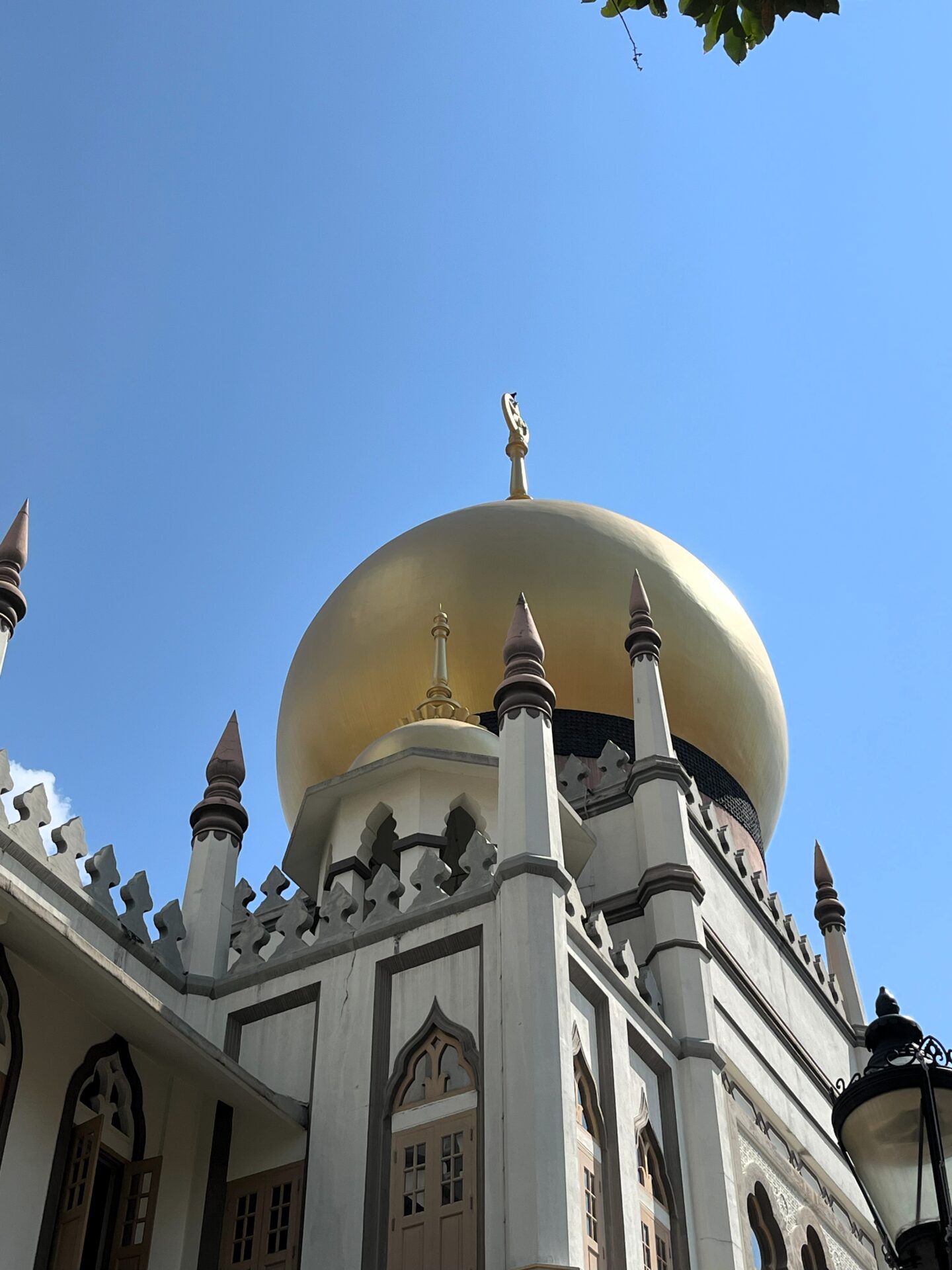
Photo 9: Sultan Mosque
Murals by Singaporean artist Yip Yew Chong
This is another area of Singapore where you can find iconic works by the local artist YC. One of his the most striking pieces is located right next to the Sultan Mosque, with access via Arab Street. Called The Kampong Gelam Mural, this piece was painted in August 2023 and covers an entire wall.
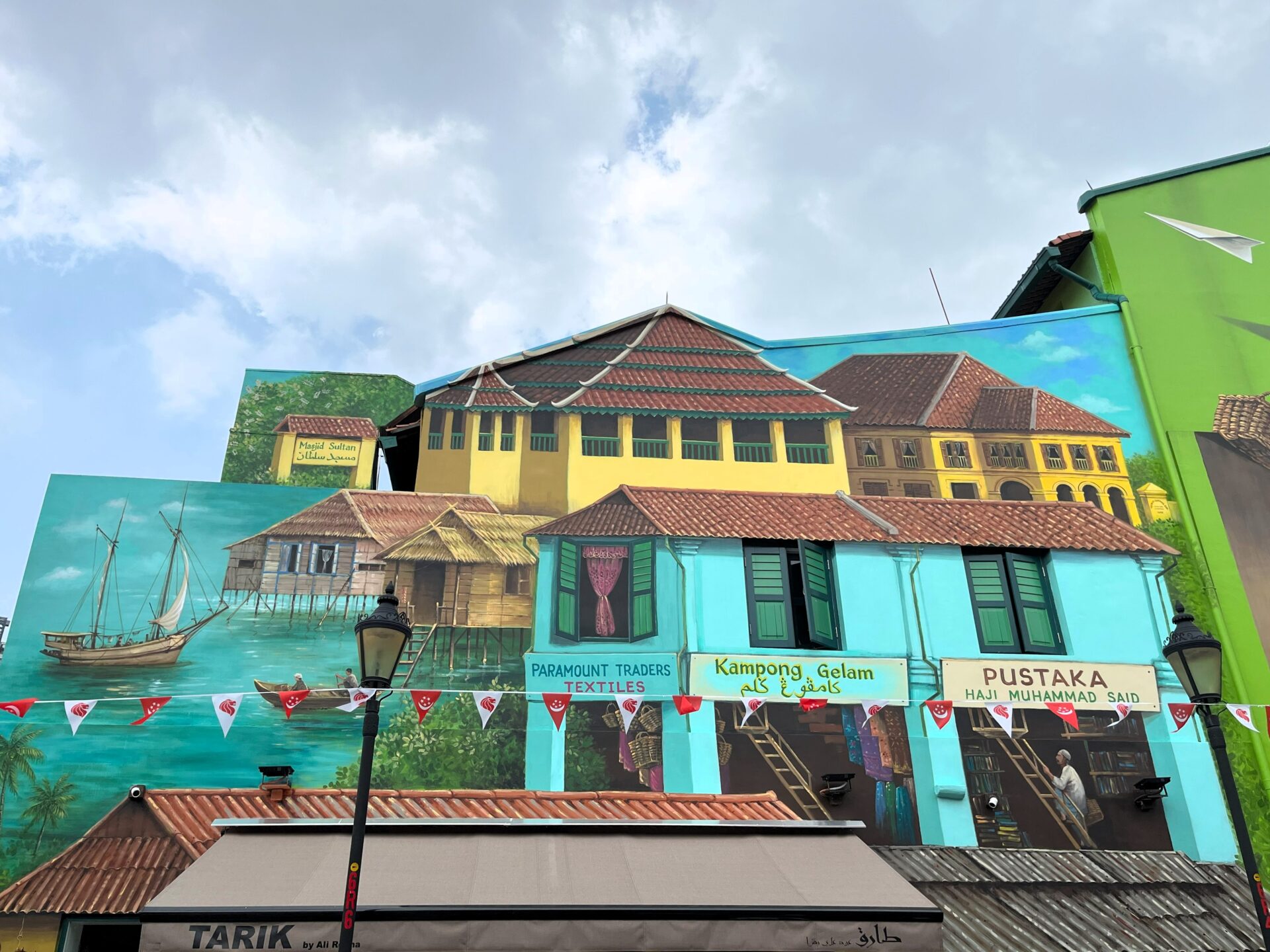
Photo 10: The Kampong Gelam Mural
Keep exploring and you’ll discover even more.
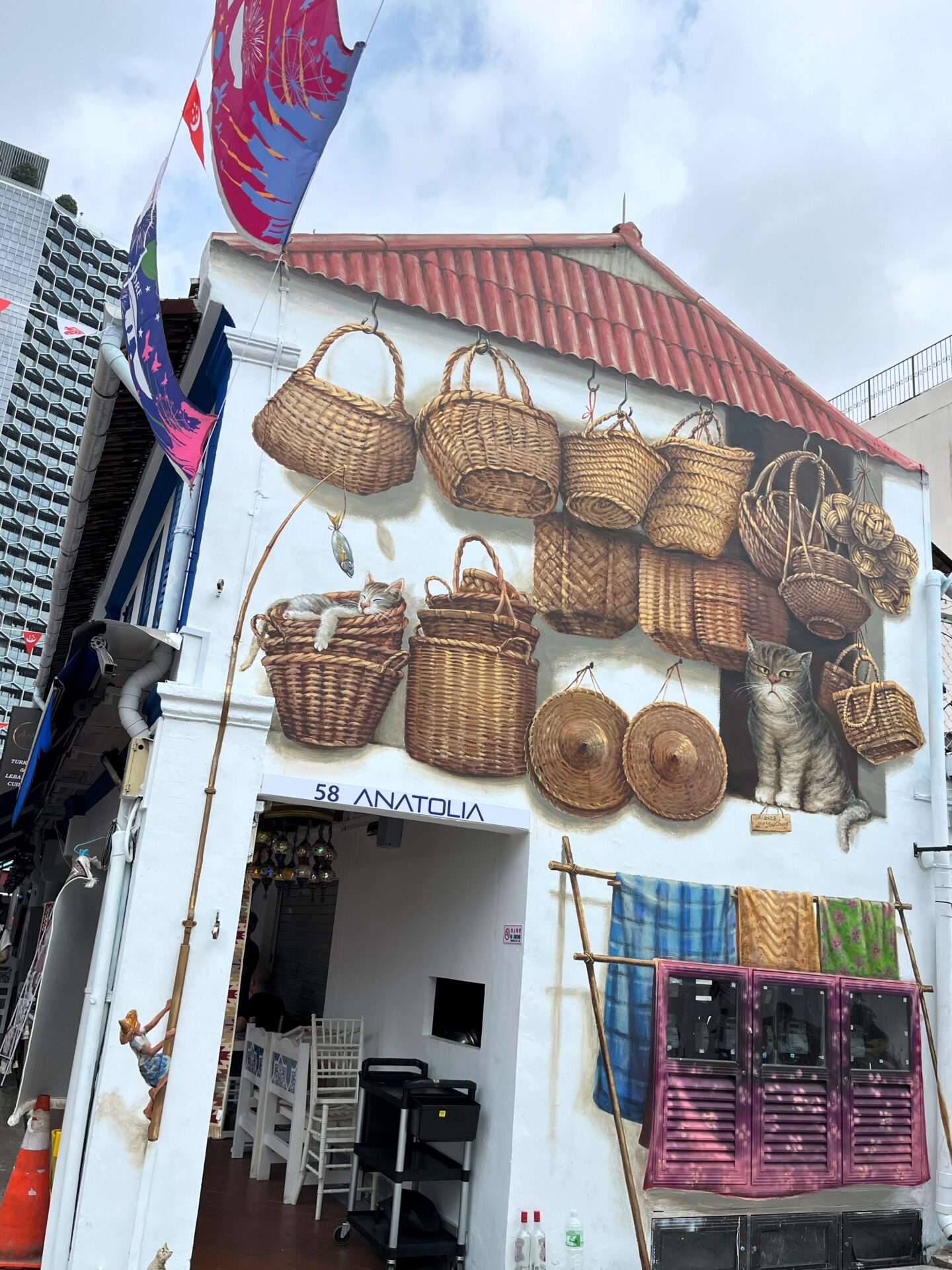
Photo 11: Kampong Gelam Basket Shop Mural
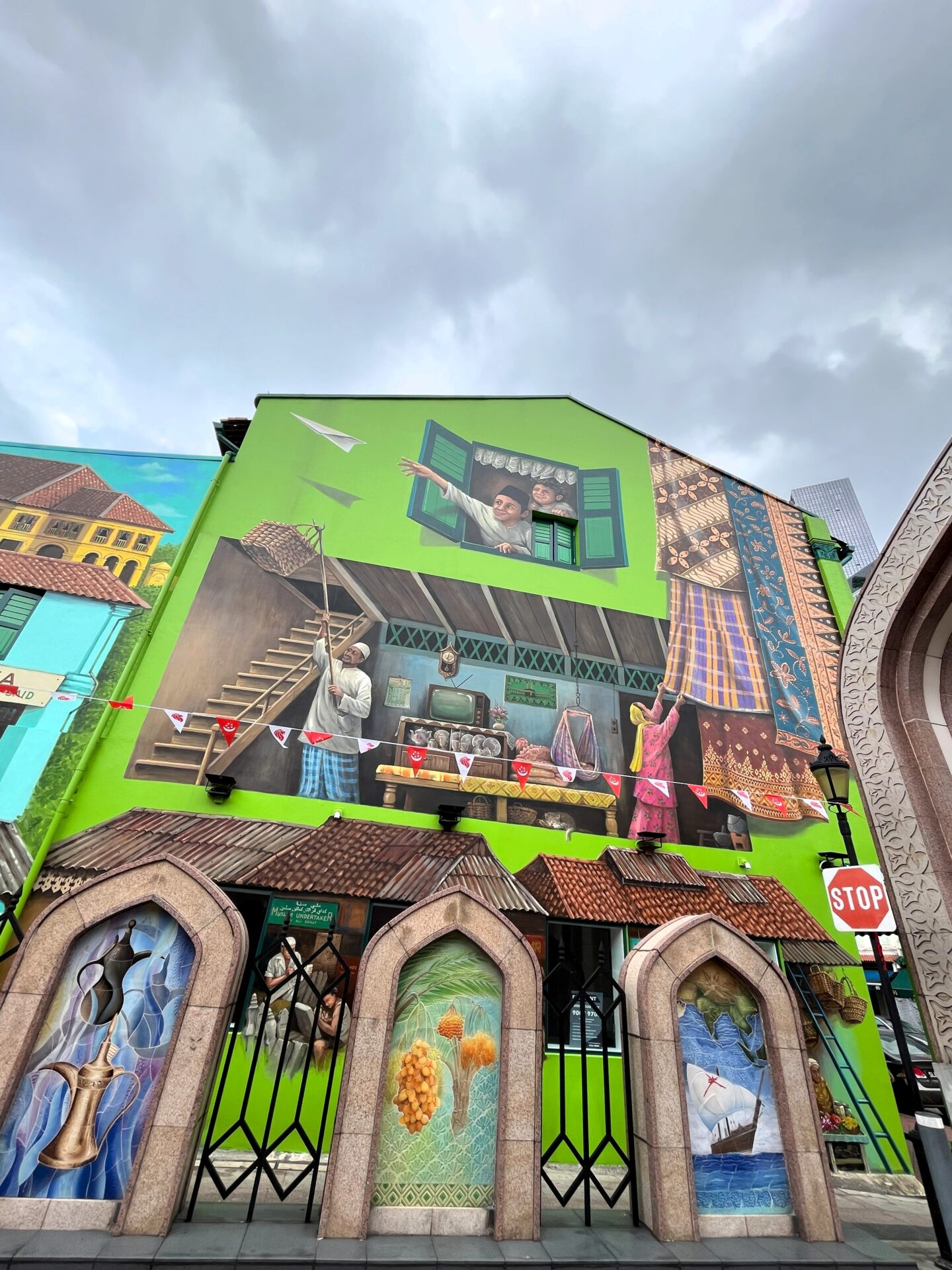
Photo 12: The Kampong Gelam Mural
Haji Lane
Haji Lane is one of Singapore’s the most photogenic streets in, bursting with colourful murals and graffiti.
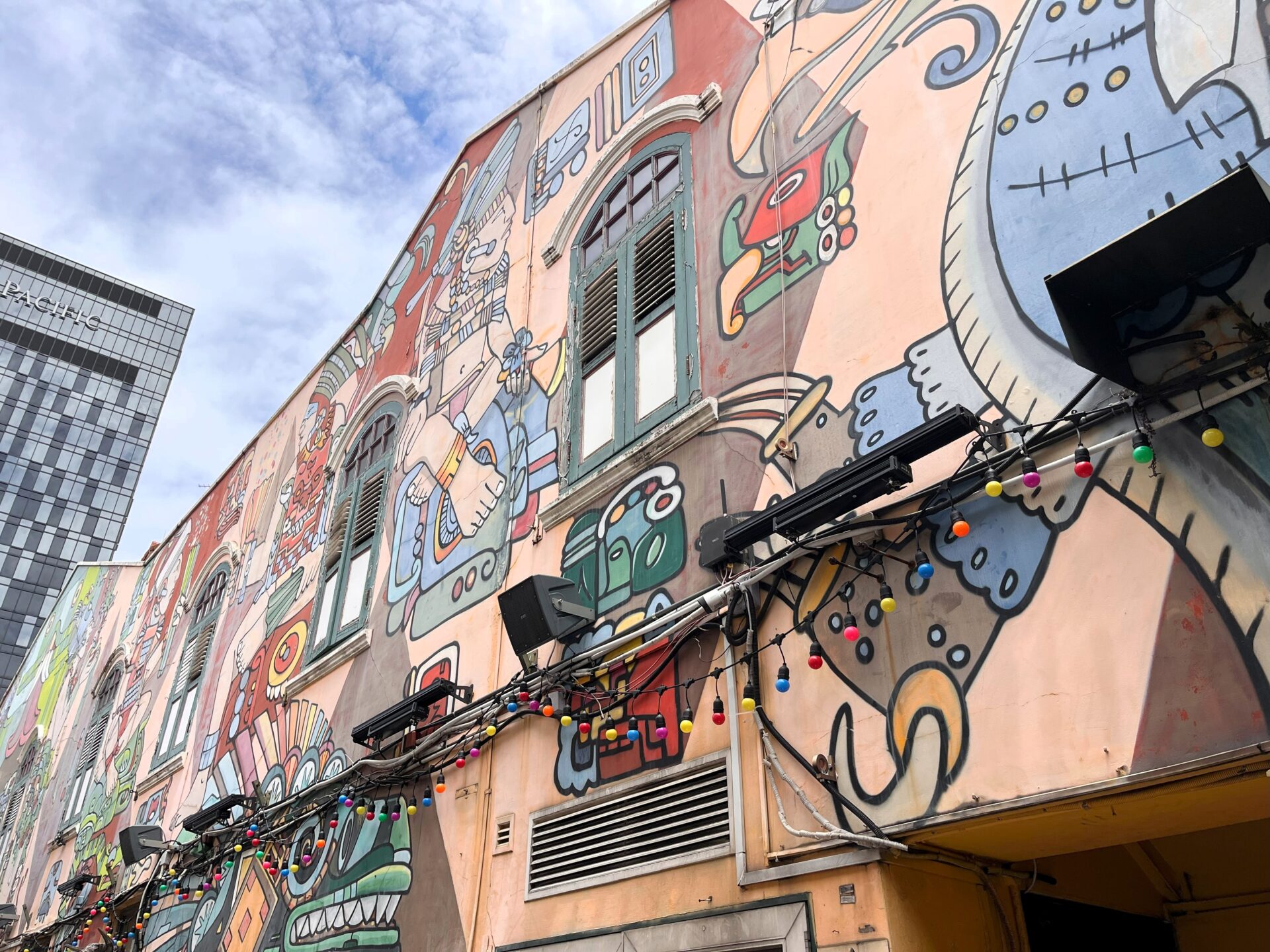
Photo 13: Murals of Haji Lane
It’s full of quirky boutiques, bars, cafés, beauty salons and creative spaces of all kinds. Most shops open at 11am, but if you can, come later in the day when the street is at its liveliest.
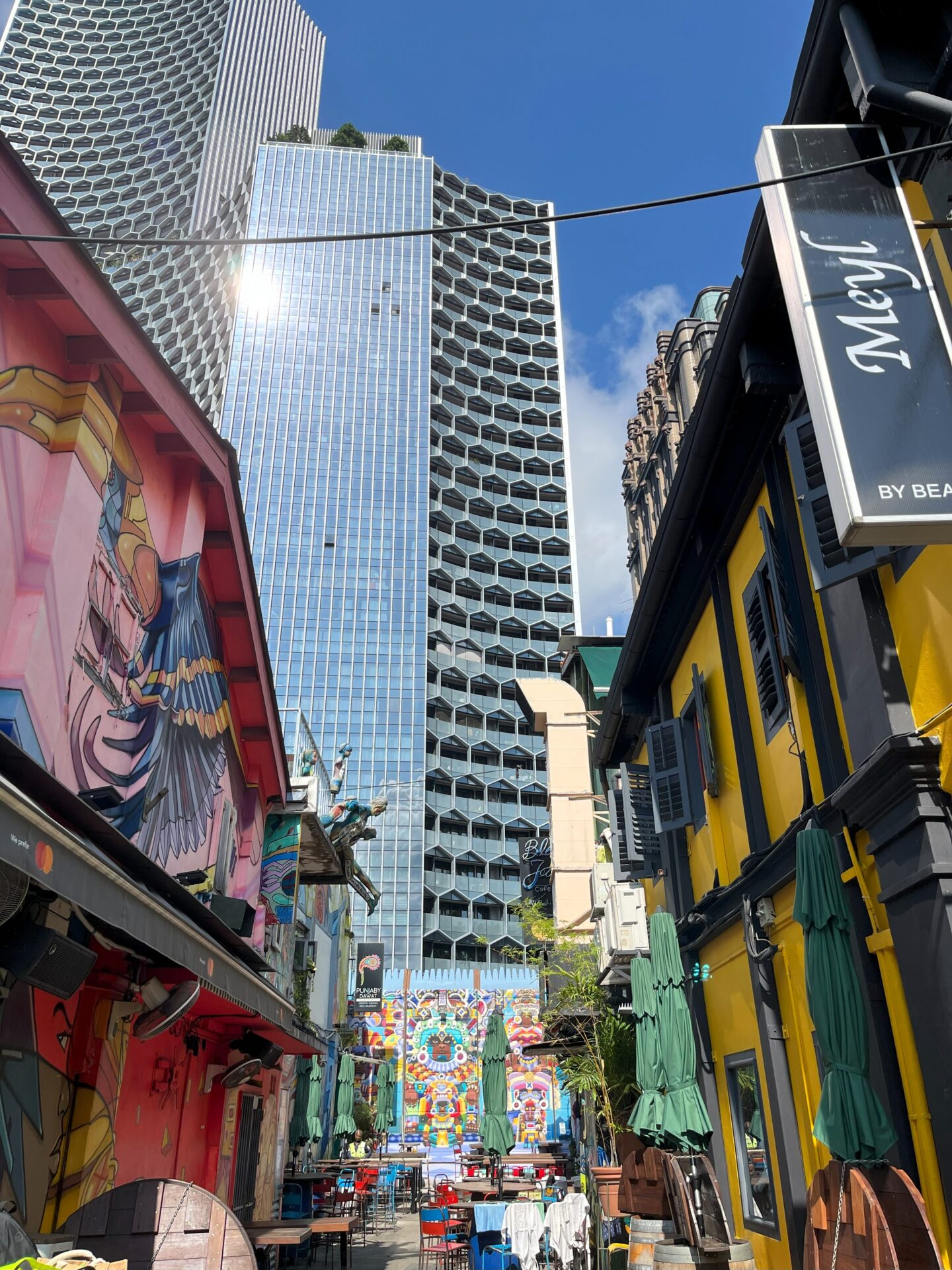
Photo 14: One of the colourful alleys of Haji Lane
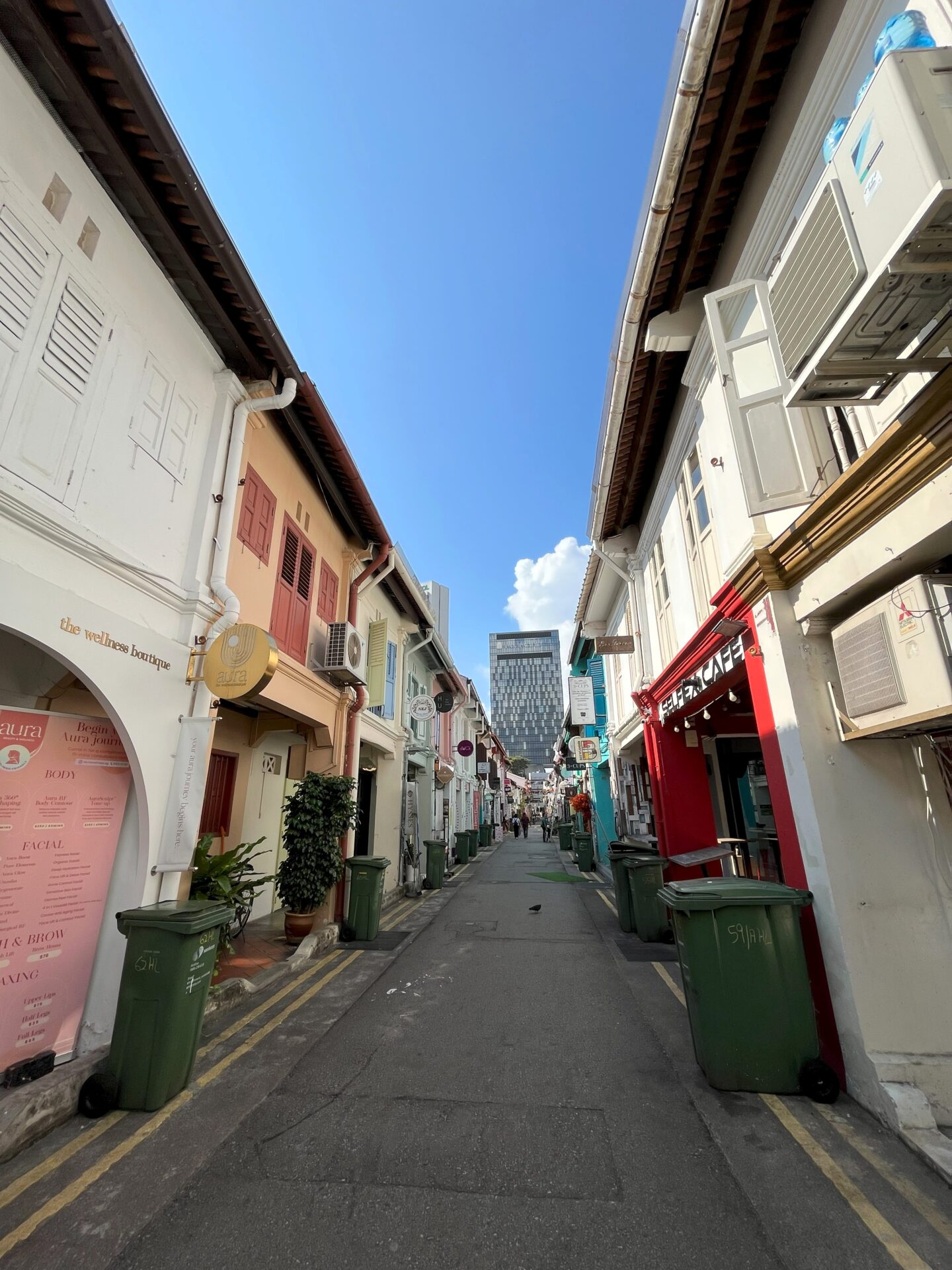
Photo 15: Haji Lane
Alaturka – there are plenty of Turkish restaurants along Bussorah Street, but ever since we tried Alaturka, we haven’t looked back. The food is delicious and well worth the price, even if it is rather expensive. We usually start with a cold meze platter, followed by a sharing platter of grilled meats served with Turkish flatbread.
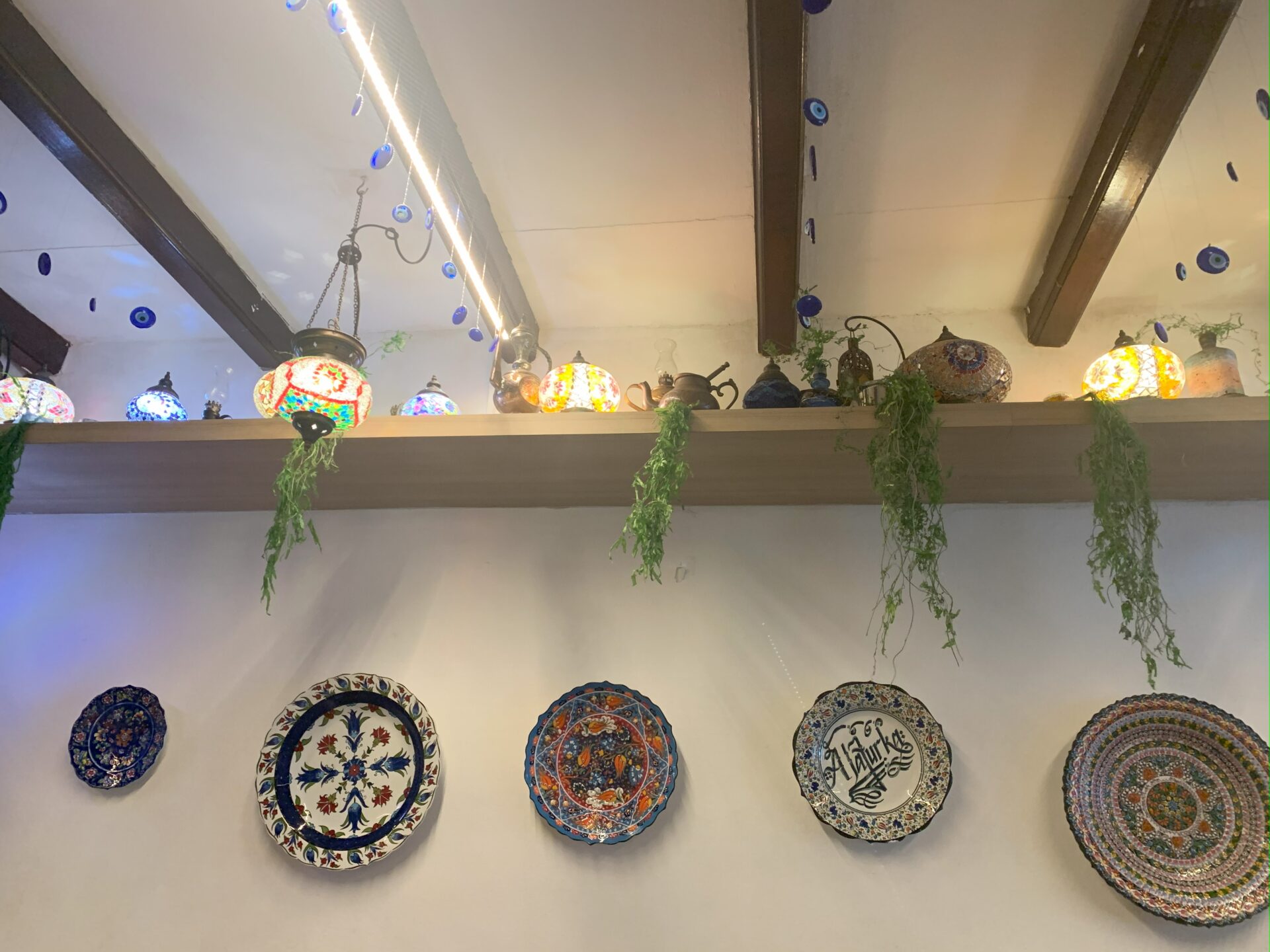
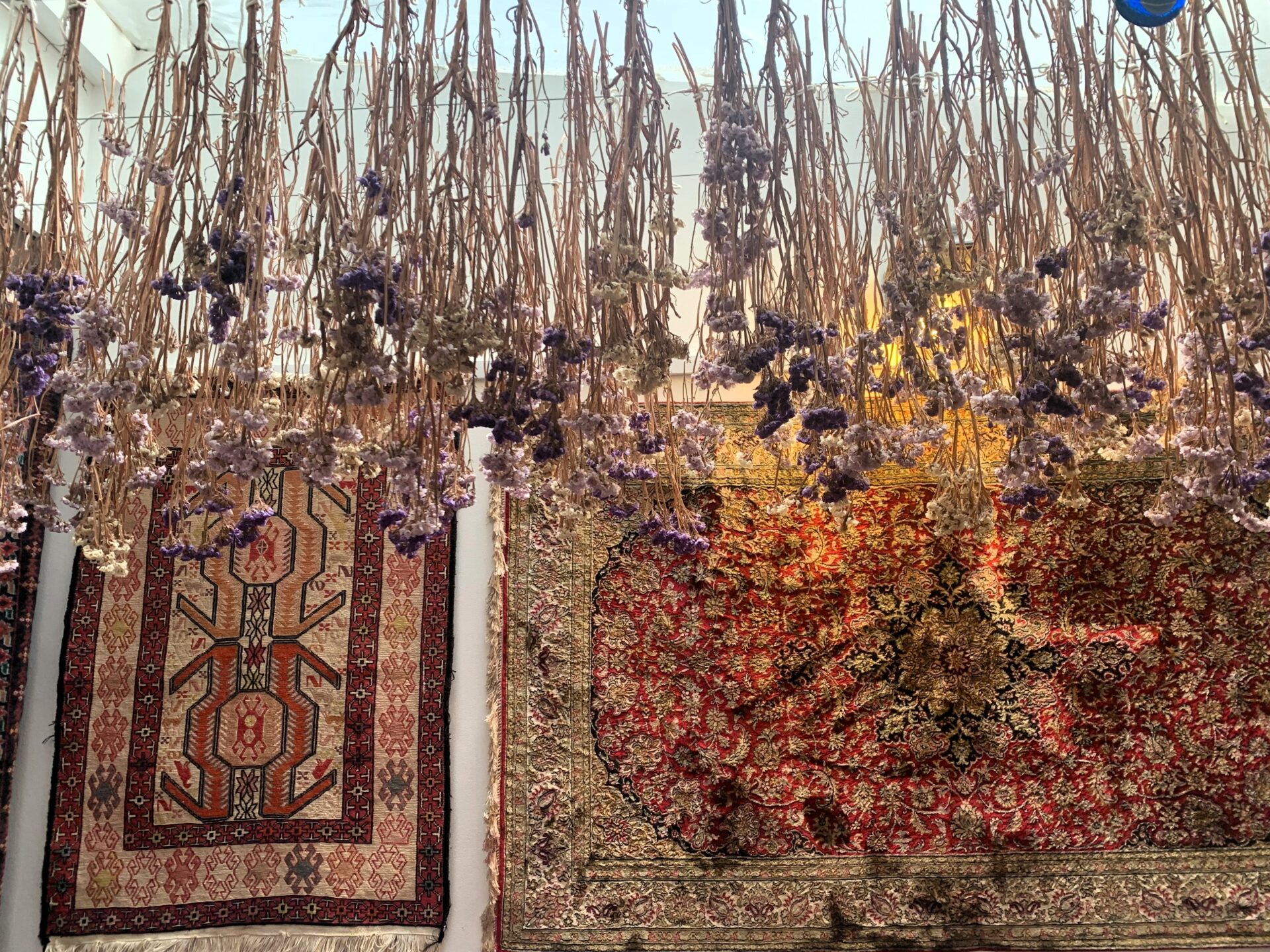
Photo 16 and 17: Interior décor of Alaturka restaurant
Zam Zam Singapore – this is one of the most famous Indian-Muslim restaurants in Singapore. Its specialises is Murtabak, a stuffed flatbread pancake similar to roti prata, which is filled with lamb, chicken or vegetables. Right next door, you’ll find another restaurant serving the same dishes, and the two have been rivals for a long-time! It’s still on my personal list to try.
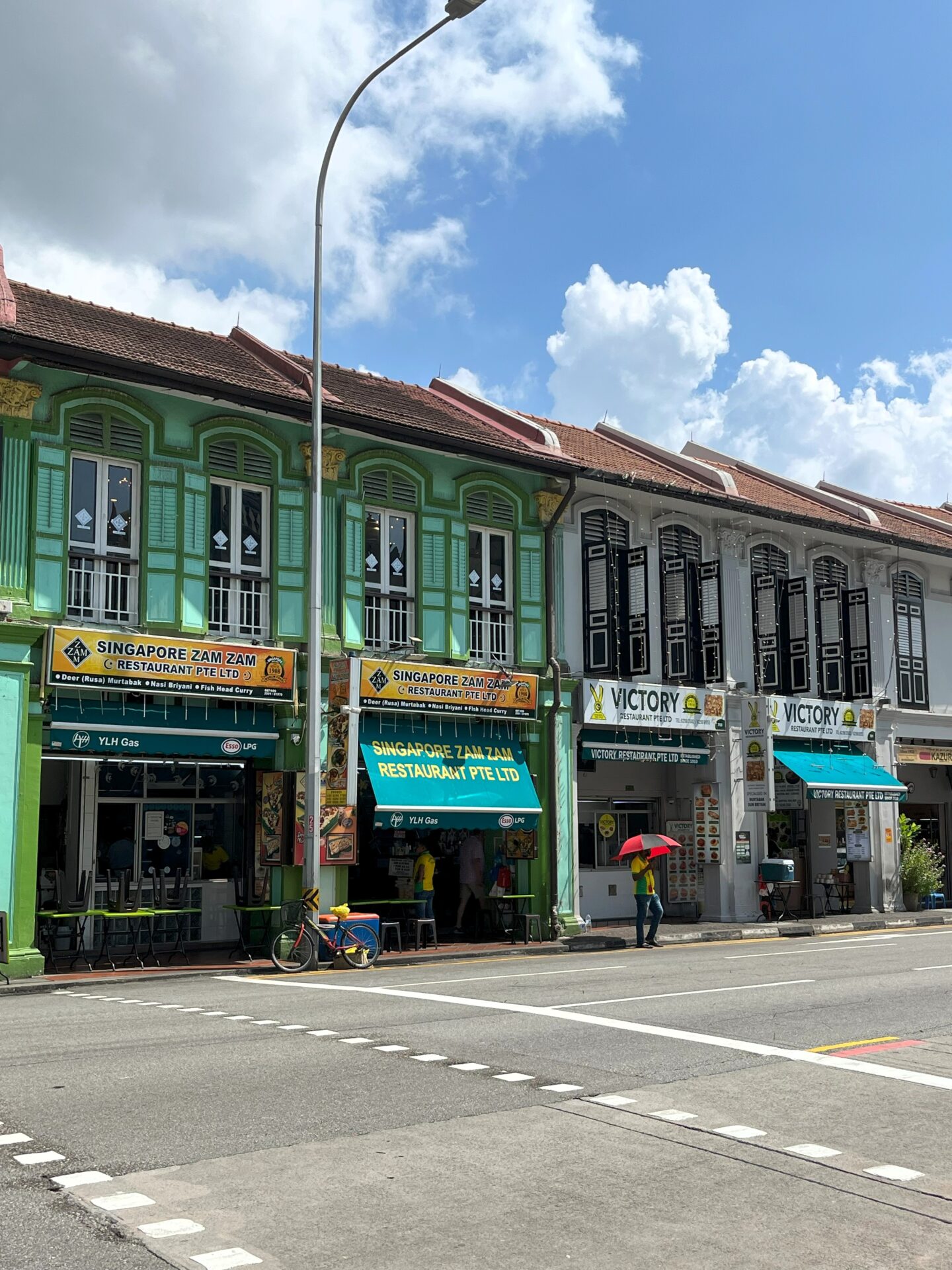
Photo 18: Facade of Zam Zam restaurant and its long-time rival Victory
Konditori Artisan Bakes – If you’re after a snack or something sweet, check out this tiny French-style bakery, which offers handmade breads and cakes. Everything I’ve tried from there has been delicious. There are no tables inside, and there’s usually a queue at the door.
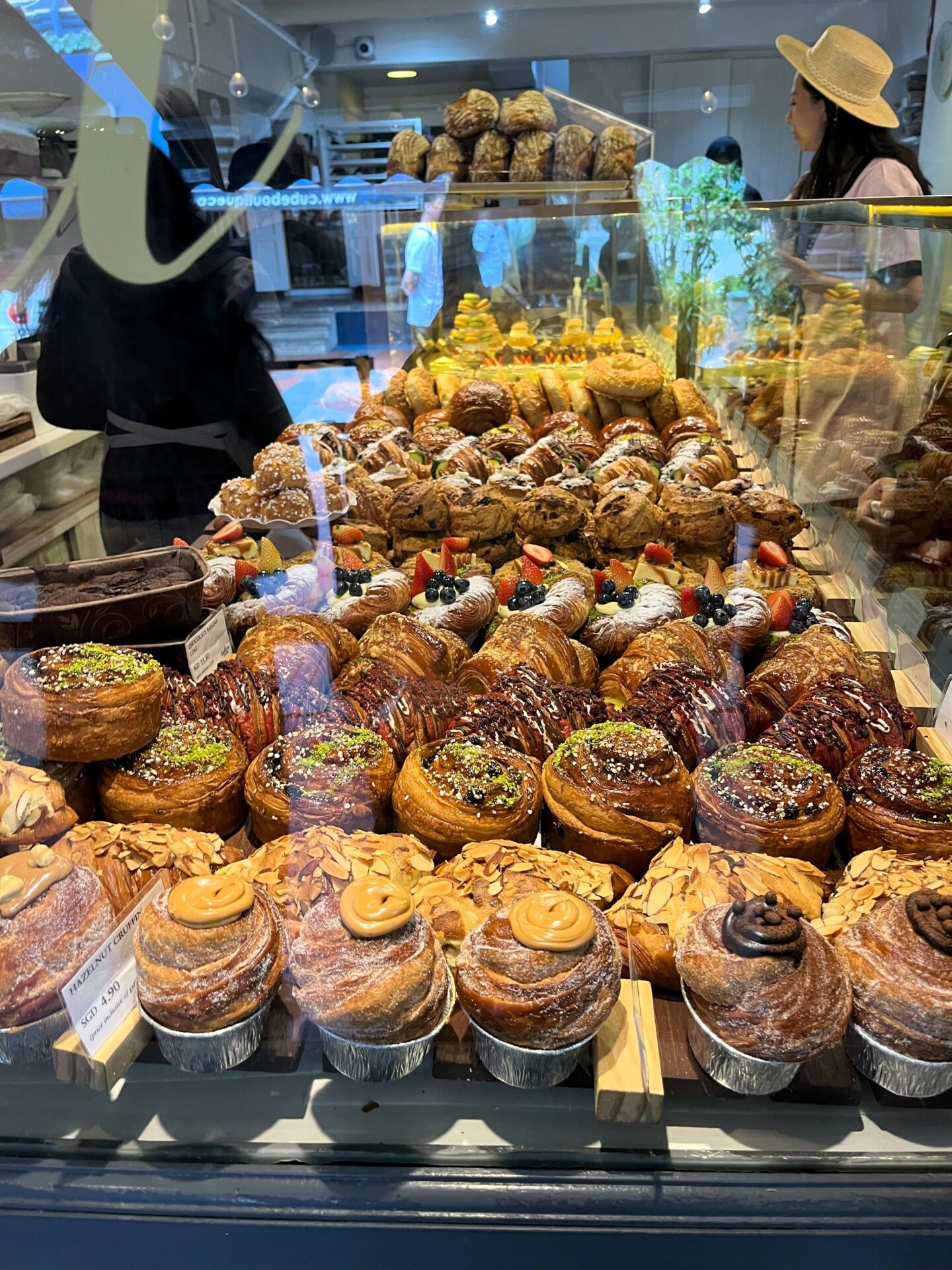
Photo 19: Display of delicious pastries at Konditori Artisan Bakes
(Coming soon: a full blog post on “Where to Eat in Singapore” with even more foodie tips!)
Hygge – Located on the corner of Haji Lane and North Bridge Road, this shop is definitely worth a visit. You’ll find Singaporean souvenirs and postcards, as well as home décor, accessories and clothing.
Bugis Market – Right opposite the Bugis Junction shopping mall (with direct access to the Bugis MRT station), this covered market is the place to find cheap souvenirs such as keychains and magnets.
I hope this has made you eager to explore Kampong Glam! Don’t forget to also check out my posts about the other cultural neighbourhoods:
Don’t miss my other posts on Singapore: