There is already a blog post – Before Travelling to Lombok – also in Indonesia, which includes a lot of information that applies equally to anyone travelling to Bali. I’ll use the same structure here, adapting it wherever necessary to account for Bali-specific differences.
If you’re planning on travelling to Bali, I recommend starting with the official website of the Indonesian Ministry of Tourism. You’ll find useful information there about currency (IDR), power sockets, and many other practical details. Below is a curated list of the most important topics to consider when travelling to Bali.
When to travel to Bali
Indonesia has two main seasons:
As a general rule, the best months for travelling to Bali are between April and October.
That said, the climate has become increasingly unpredictable. In 2025, as I write this post, Bali experienced the worst floods of the past decade right in September. While flooding has always been common during the rainy season, the rapid construction and deforestation that Bali has experienced in recent years are likely exacerbating the impact of these sudden, heavy downpours.
You can find detailed weather information for Bali here (using Kuta region as a reference), including a beach/pool score for each month of the year. Temperatures remain fairly consistent throughout the year, ranging from approximately 24 °C at night to 31 °C during the day.
As I have mentioned before, Bali is currently facing serious overtourism, so I would avoid the most popular months if possible:
(In 2025, flooding across Southeast Asia was particularly severe, and at the time of writing – December 2025 – Bali was experiencing several flood alerts.)

From our experience travelling to Bali both in July and August, July felt slightly windier, while August had better weather overall. However, August was unbearably crowded, especially in Ubud, where we stayed. Back in July 2022, just after the pandemic, tourism was still slow and everything felt very calm, so it is hard to compare.
Whenever I travel to Bali, I love how the air feels lighter and cooler than Singapore’s constant humidity. That feeling alone makes travelling to Bali worthwhile. 😅
Entry Visa for Indonesia
You can also find updates about visas on the Indonesian Tourism website, including information about the e-VOA (Electronic Visa on Arrival), which can be applied in advance here. Please note that the e-VOA is not available at all airports and ports of entry, so check this list before travelling to Bali.
There is a small processing fee for the e-VOA, although I have never used it myself.
Whenever we have travelled to Indonesia, we have used the standard VOA (Visa on Arrival), which is quick and simple. After disembarking, you go straight to the VOA counter and pay 500,000 IDR per person. Other currencies such as SGD or USD are also accepted. If you do not have the exact amount, you’ll receive change in IDR. Paying by Visa or Mastercard incurs an additional fee, so I recommend carrying some cash.
To see the list of countries eligible for VOA, click here, or alternatively here, on the “List of countries” option and then click on “details”.
If you have questions about the type of visa you need, please refer to the Frequently Asked Questions page.
Regardless of whether you choose a VOA or an e-VOA, your passport must be valid for at least six months.
All foreign visitors must complete an electronic arrival declaration, which is available on the All Indonesia app or on the official website. This single form replaces the previous health card and the customs form.
Introduced in September 2025 at four entry points, the system was expanded nationwide in October 2025.
The form is free to complete and can be filled in up to three days before arrival or upon landing.
You can read the full news article about the new requirements on the Indonesian Immigration website here.
Another useful way to prepare for travelling to Bali is to consult your home country ‘s foreign affairs website. I use the Portuguese Communities Portal for example.


Bali Tourist Tax (Foreign Tourist Levy)
From February 2024, Bali began charging foreign visitors a tourist tax of 150,000 IDR. This can be paid in advance via the Love Bali website or app. The aim of this tax is to protect Balinese culture and promote more sustainable tourism.
When I travelled to Bali in August 2025, I honestly didn’t know about this tax and assumed it only applied to those arriving by air. However, I later discovered that it applies to all tourists, regardless of their method of entry. Checks may occur at airports, ports and even at tourist attractions such as Uluwatu Temple.
Flights when travelling to Bali
Flights from Singapore to Bali take around two and a half hours, and there are many daily options. Use Skyscanner to compare all the available flights. We usually fly with low-cost airlines such as Scoot (my first choice) or AirAsia, which is often cheaper.
Are you planning to include Gili Air in your trip? Then don’t miss this post:
Can I drink tap water in Bali?
An essential rule for travelling to Bali is to only drink bottled or treated water, and to avoid ice of unknown origin. This includes when brushing your teeth, do not use tap water.
Hotels usually provide drinking water and water for brushing your teeth in the rooms.
Bali Belly
If you start researching travelling to Bali, you will quickly come across the infamous Bali Belly, which is simply a gastroenteritis.
It may occur in many destinations, not just Bali, but here it gained a name. In some cases, it can be severe, requiring rehydration and medication.
The main preventive measure is to ensure good water hygiene: never drink tap water.
Other useful tips to avoid getting Bali Belly:
Health & Safety before travelling to Bali
For health risks, I often check TravelHealthPro, which includes information on dengue, malaria and recommended vaccinations. It is UK-focused, so not everything applies universally.
As with any trip, it is essential to take out good travel insurance before travelling to Bali.
Have a look at iati, where you’ll find several travel insurance options to suit your type of holiday.
Where to stay when travelling to Bali?
The traffic in Bali is absolutely chaotic. My main recommendation for travelling in Bali is to try and avoid moving around the island too much.
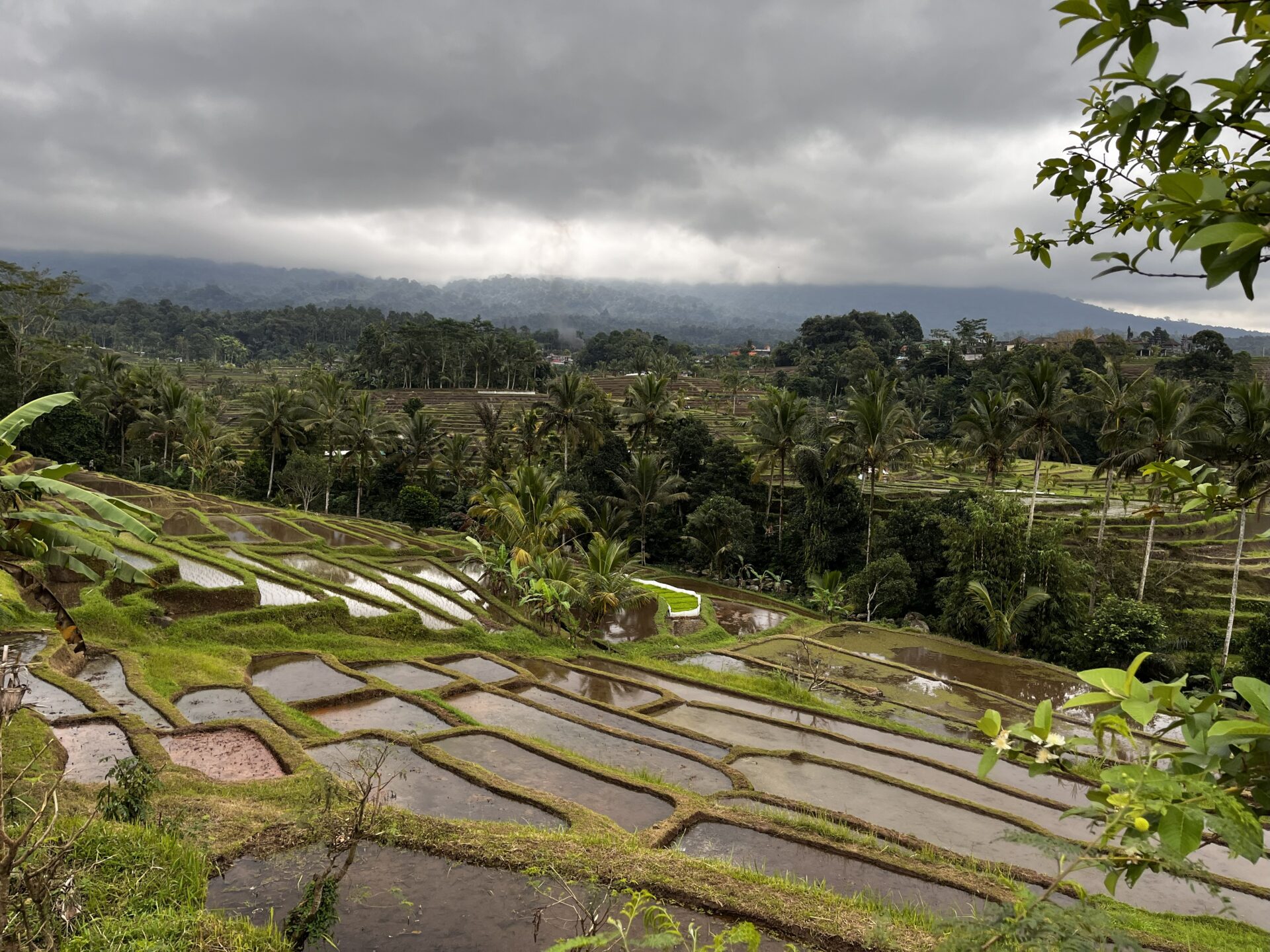
On our first trip, I wanted to see everything, and while we did visit lots of places, we also spent hours and hours in the car. Choose one area to stay in, explore it on foot, and if you want to see another region, change your accommodation and explore from there. Read the full post:
Mobile data while traveling
Before traveling, I usually buy a mobile data package through Airalo (eSIM). Just download the app, create an account, choose the country and data package, pay, and then install the eSIM. For more details, you can check here.
Make sure your phone model supports eSIM, which you can check here.
I hope this information is useful if you’re planning to travel to Bali. Don’t miss the other posts with more information about Bali and Lombok:
*This post contains affiliated links, and if you make a reservation/purchase through them I may earn a small commission at no extra cost you.