If you’re planning travelling to Singapore, chances are you’ll want to combine it with another destination, and I really recommend you do so. I absolutely love Singapore, but in my opinion it’s not worth making the long journey just to stay here (assuming you’re coming from Europe), especially when there are so many incredible countries nearby. On the blog you’ll find plenty of suggestions: Thailand, Indonesia, Vietnam, Cambodia, and more.
Best time to visit Singapore
Singapore lies right on the equator, which means it has a tropical climate with temperatures ranging between 25 and 33°C, usually sitting above 28°C, and with a LOT of humidity.
The country experiences two monsoon seasons. One of these brings heavier rainfall from December through to early March. It can rain quite heavily during this period, sometimes for several days in a row, but this usually won’t prevent you from exploring the city. The weather is also slightly cooler at this time of the year, with temperatures occasionally dropping to around 24°C. Generally speaking, however, it is hot and humid all year round, with some rain almost every day.
If I had to make a recommendation, I’d suggest avoiding December, when rainfall tends to be more frequent. Other than that, if you’re travelling to Singapore, just embrace the heat and humidity, pack light and breathable clothes, and make good use of hand fans or portable mini fans to help you cope with the weather. And of course, don’t forget to always wear sunscreen and a hat or cap. For the full Asian experience, use an umbrella to shield yourself from the sun!
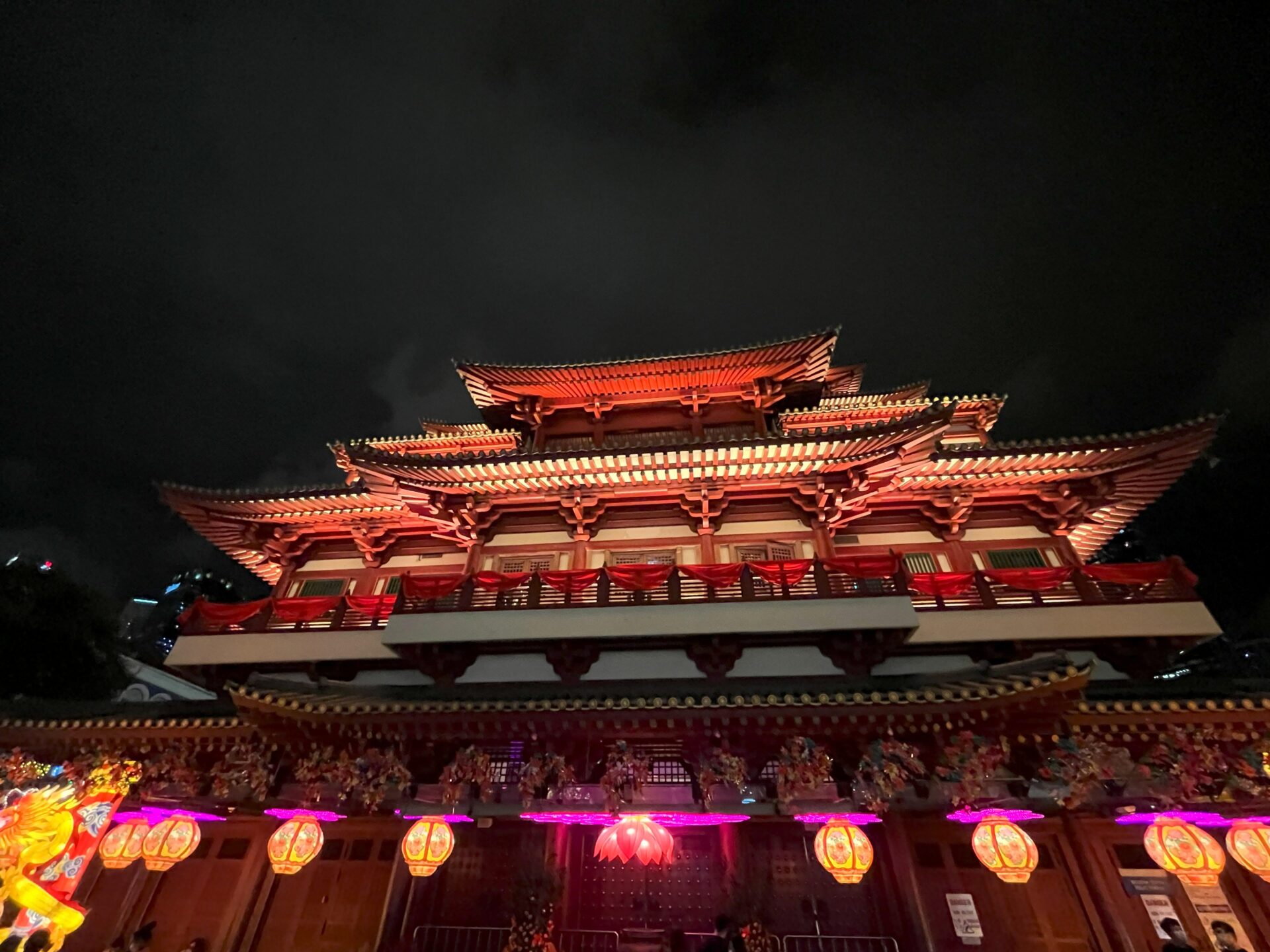
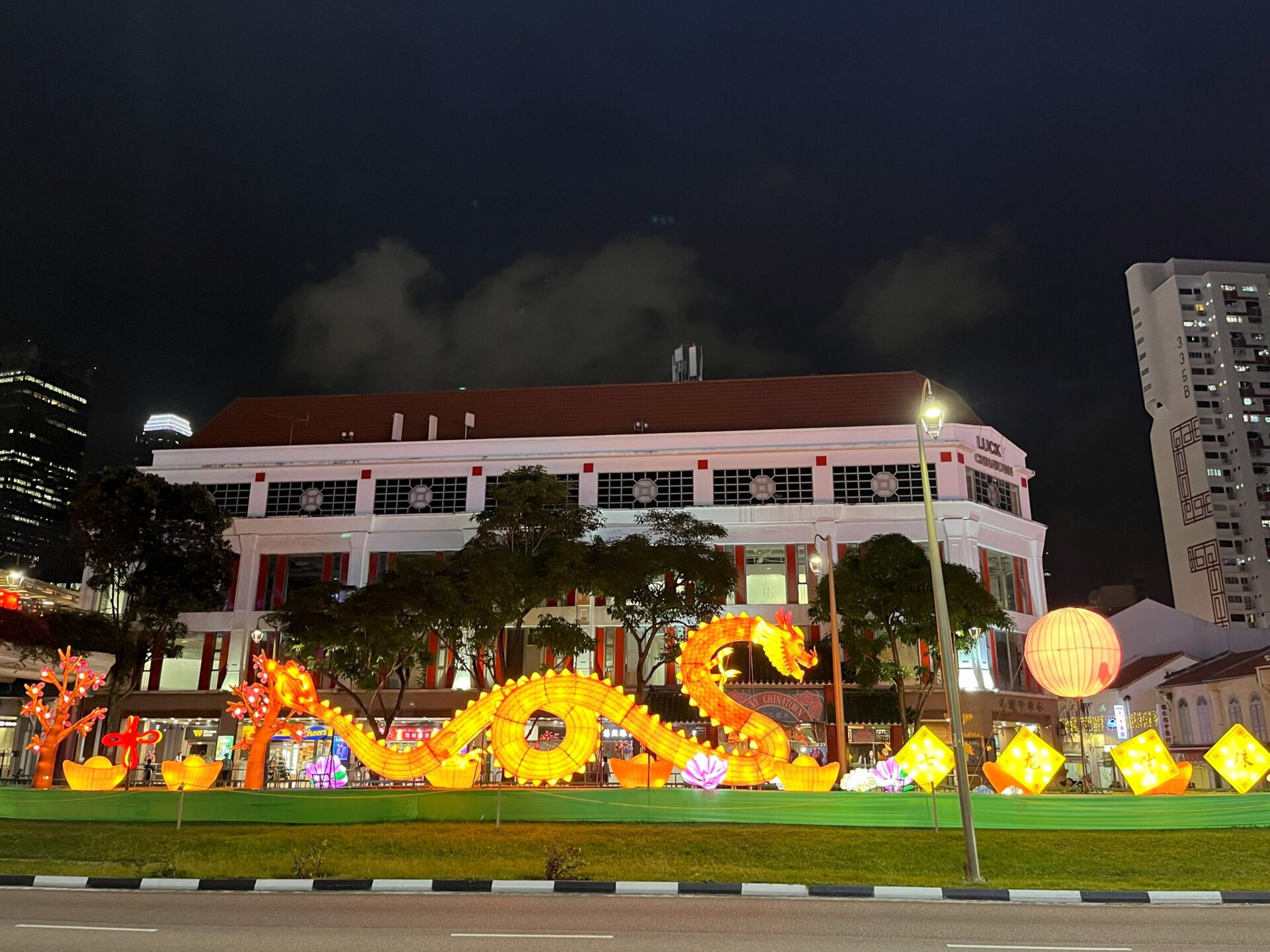
Lunar New Year is the biggest celebration in Singapore. While it’s wonderful to see the city decorated with zodiac motifs and to enjoy the many Lion Dance performances in the streets, the city slows right down on the actual public holidays.
As a tourist, you’ll miss out on visiting hawker centres, markets, and several attractions, as many of these close during the festivities. Therefore, my advice is to avoid travelling to Singapore at that time.
Chinese New Year usually falls between late January and mid-February. You can find more details on the celebrations and what to expect here:
Entering Singapore
Always check the official Immigration and Checkpoints Authority (ICA), website before travelling to Singapore, as entry requirements are updated regularly. This includes information on vaccines and the electronic arrival card (SG Arrival Card).
Keep in mind the following topics in preparation for your trip:
Your passport must be valid for at least six months from the date of entry.
Most European passport holders do not require a tourist visa if travelling to Singapore. However, you should always check the official list of countries that requires visas.
Like me, Portuguese citizens do not require a visa to enter Singapore for tourism or family visits.
All travellers must complete the SG Arrival Card online within three days before arrival.
Note: If you’re only in transit and not passing through immigration, you don’t need to complete the card.
Upon arrival, all travellers receive an electronic pass (e-Pass), which replaces the traditional passport stamp. You can access your e-Pass online here. It states the number of days you’re authorised to stay in Singapore.
The length of stay depends on your nationality, the reason for your visit, and the discretion of the immigration officer.
For example, Portuguese citizens entering as tourists or to visit family can be granted up to 90 days, but you should always check the latest details on the ICA website.
Singapore is very strict about what you can (and cannot) bring into the country. Things such as chewing gum or vapes (any kind of e-cigarettes) are prohibited, and fines can be heavy if you’re caught.
Smoking is only allowed in designated areas. Always look for signs indicating where smoking is permitted. Even in common outdoor areas like condo gardens, smoking is banned.
Also, always check your own government’s official travel advice website. For Portuguese citizens, the relevant page is here:
Can I drink tap water in Singapore?
Yes! I’ve always been the kind of person who never drinks tap water in any country I live in because I don’t like the taste. But the water here is actually quite decent and, of course, safe to drink. This is the first time in my life that I’ve stopped buying bottled water!
Mobile data while travelling
Before travelling, I usually buy a mobile data package – very useful for finding nearby restaurants or getting in touch with guides and hotels. I use Airalo, which lets you buy data packages through an eSIM. Simply download the app, create an account, select the country and data plan you want, pay, and then install the eSIM.
💡 Don’t forget to use the discount codes available on the blog’s homepage.
Public transport in Singapore
Public transport works really well in Singapore! The metro system, known here as the MRT (Mass Rapid Transit), is efficient, fast and covers most of the island.
You can use Google Maps to find the best route to your destination: it will tell you which MRT line to take, or the bus number if needed.
How to pay for the MRT and buses?
You have four options (I recommend the first two):
Getting around Singapore by taxi
Another very convenient way to get around Singapore is by taxi. I especially recommend this when you first arrive at the airport, since the MRT can be crowded and impractical for carrying luggage. If you don’t have much luggage and are staying in a central location, you could also consider taking bus no. 36, see Getting To Changi Airport for more details.
Once you leave the arrivals area at the airport, just follow the signs to the taxi stand and join the queue, which usually moves quickly.
You’ll also find taxi stands all around the city, particularly outside hotels and shopping centres. If you’d prefer not to wait, you can book a taxi via the ComfortDelGro app or use Grab, the Asian equivalent of Uber.
Payments in Singapore
Around 95% of my payments in Singapore are made using a bank card, Apple Pay or similar method. Most restaurants, shops, museums and public transport accept contactless payments, which makes life much easier for visitors.
However, you may still come across a few stalls in hawker centres that only accept PayLah or PayNow (which are the Singaporean equivalent of MB Way in Portugal). In these cases, you will need some cash. For this reason, it’s worth withdrawing or exchanging a small amount of money for minor expenses such as food and drink in more traditional establishments.
Healthcare
This isn’t a tip specific to Singapore, but I always make a point of reminding travellers about the importance of getting health insurance before any trip. Healthcare in Singapore is extremely expensive, so it’s better to be safe than risk being left with a huge bill in the event of a medical emergency.
If you have any other practical questions about Singapore, take a look at Visit Singapore, where you’ll find lots of useful details, such as the type of electrical socket used here. By the way, it’s the same as in the UK, with three rectangular pins.
You might also be interested in these posts:
*This post contains affiliated links, and if you make a reservation/purchase through them I may earn a small commission at no extra cost you.