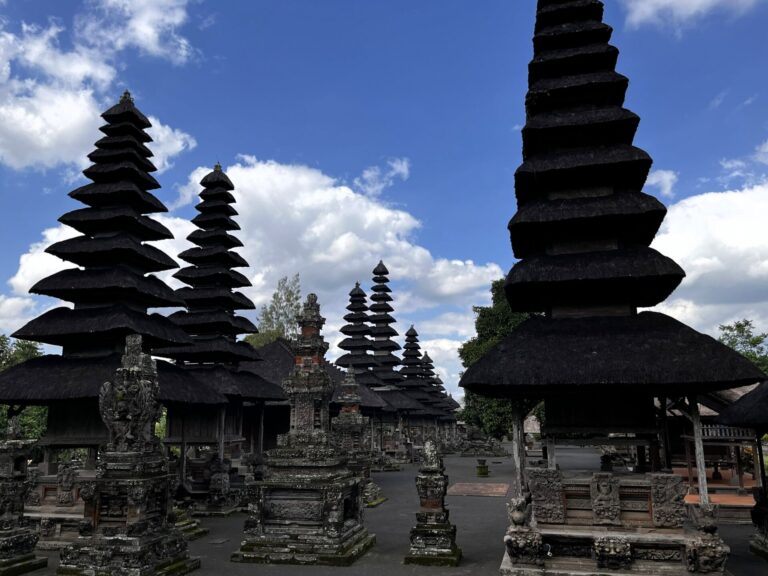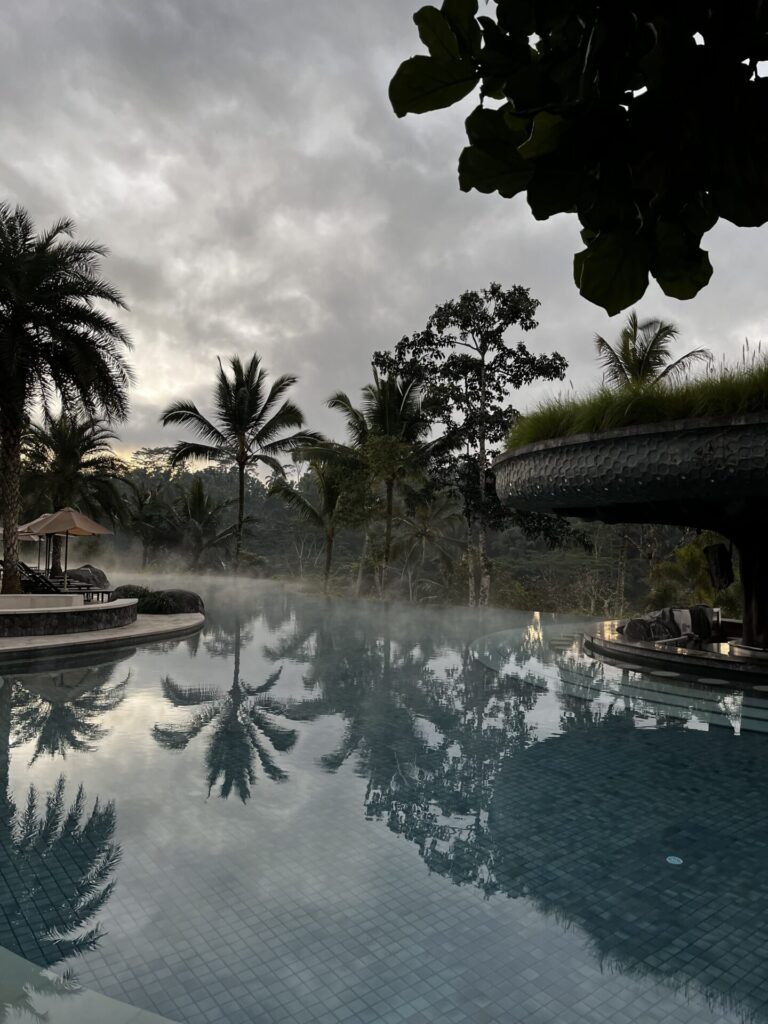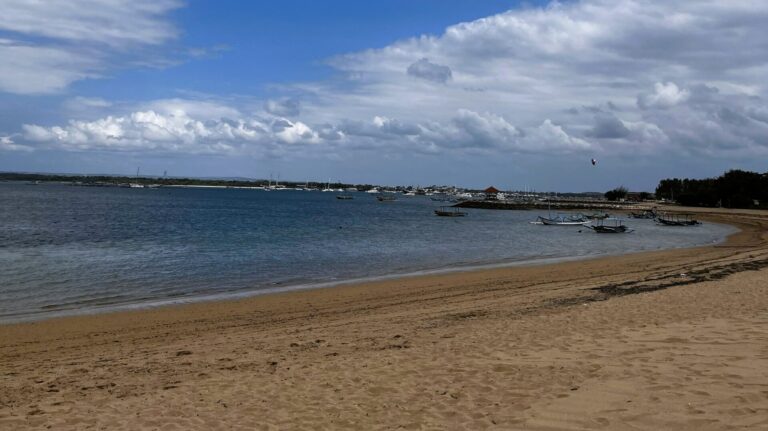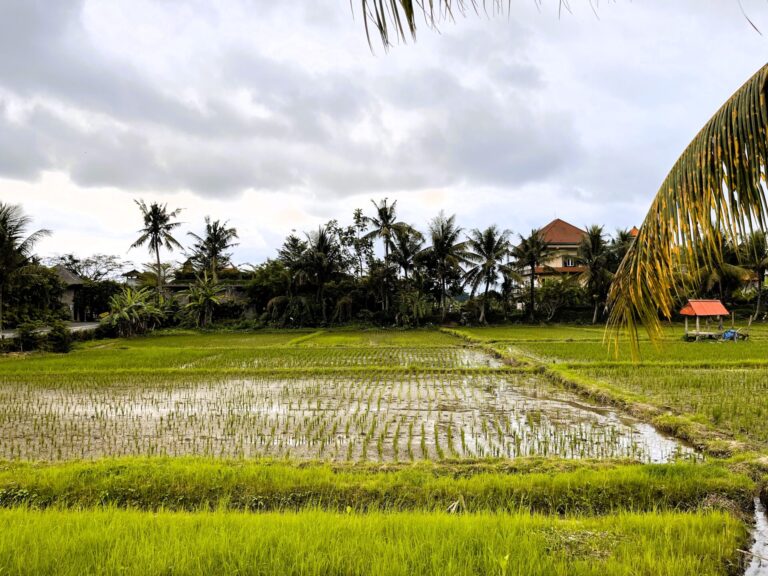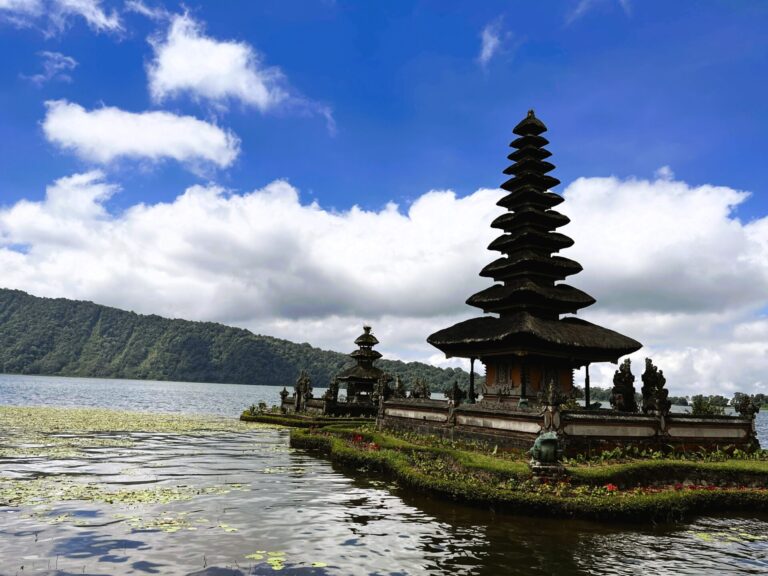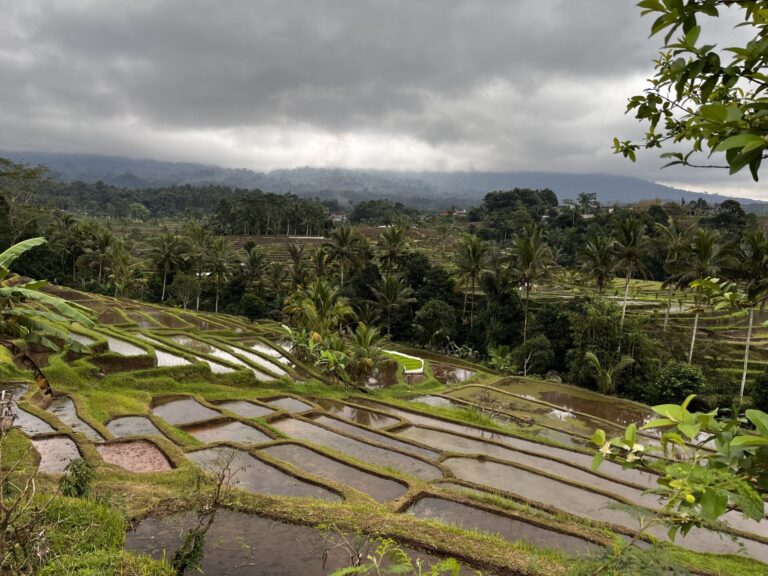
Things to do in Bali – ideas for your holiday
Find ideas here on what to do in Bali: visiting Hindu temples, rice fields in Ubud, snorkelling, or even a session with a spiritual guide.
Read MoreThings to do in Bali – ideas for your holidayA brief history of Indonesia and other things to know
Indonesia is a vast archipelago in Southeast Asia, made up of over 17,000 islands stretching between the Indian and Pacific Oceans. Traces of human presence in this region date back more than a million years, with famous fossils such as the Java Homo erectus.
Colonised by different powers throughout history, Indonesia remained under Dutch rule for centuries. In 1945, after Japan’s defeat in the Second World War, Indonesia officially declared its independence from the Netherlands. This was followed by a period of great instability and violence over the next five years, culminating in the eventual recognition of its independence by the Dutch.
Today, Indonesia has a population of around 280 million people spread across about 13,400 islands. The official language of the country is Bahasa Indonesia, but there are around 200 local dialects spoken throughout the archipelago.
The majority of Indonesians are Muslim, while in Bali the predominant religion is Hinduism.
Indonesia is truly a vast country, with significant cultural and linguistic differences between its various regions. The archipelago stretches approximately 5,100 km from east to west and 1,800 km from north to south.
In these posts, I’ve included travel tips for some of Indonesia’s most popular holiday destinations: Bali and Lombok.
I still hope to visit other places, such as the Raja Ampat Islands, Komodo National Park and the island of Sumba. However, as reaching these destinations requires several plane and boat connections, I keep putting it off. I hope that one day I will have the chance to write about some of these places.